
Category: Uncategorized
-
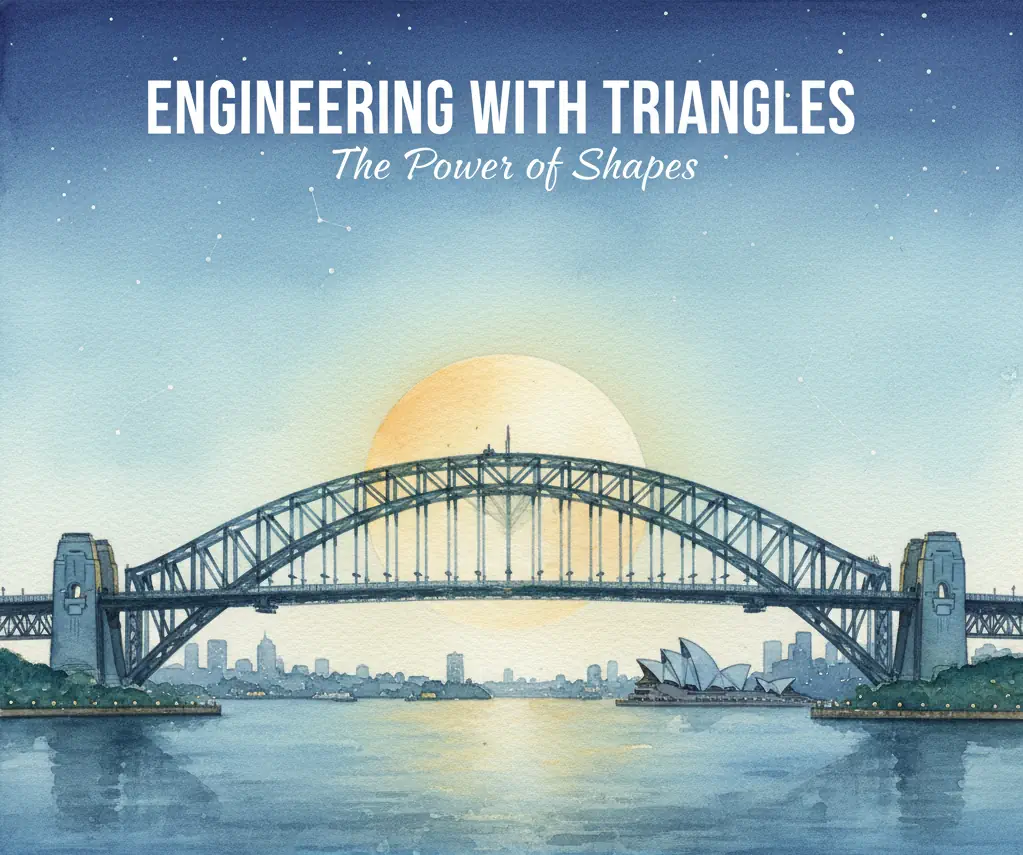
If you look closely at our famous “Coathanger,” you’ll see thousands of triangles, but not a single empty square. Do you know why? Today’s final Real World Application lesson from Level D is all about Rigid Geometry. We’re exploring why triangles are the “superheroes” of engineering and how they keep the world’s heaviest structures from keep reading
-
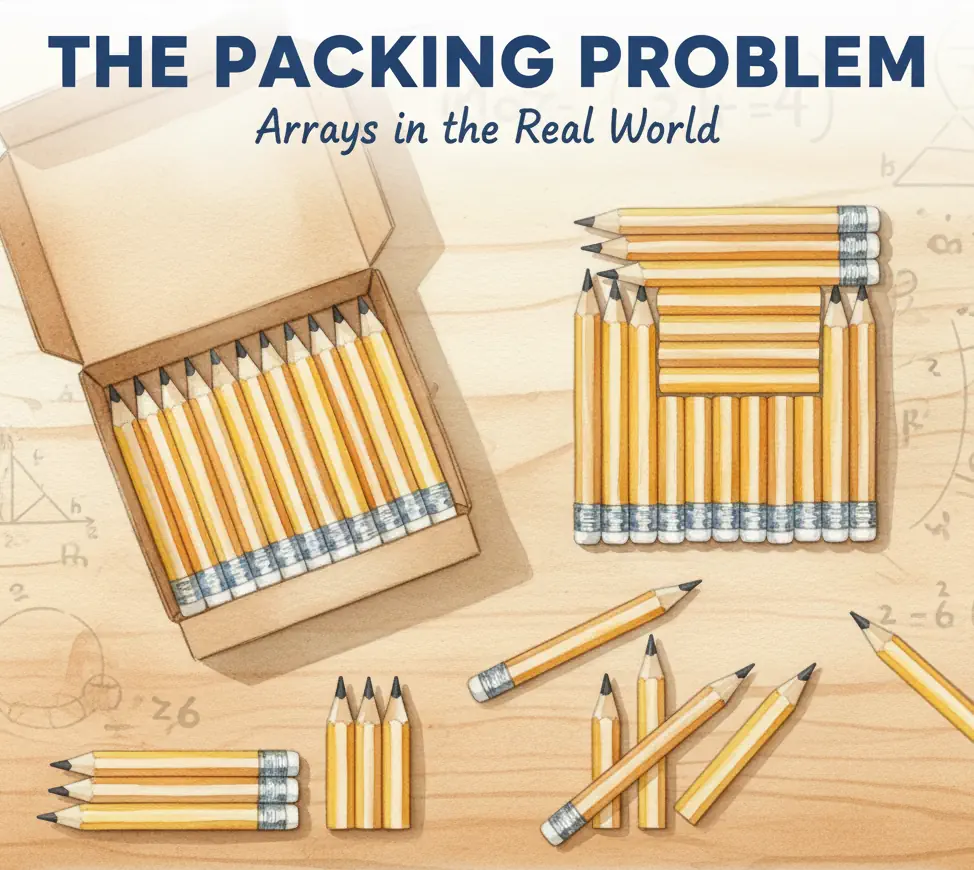
Today’s Real World Application lesson from Level D is all about “The Packing Problem.” It’s a challenge every manufacturer faces: How do we fit the most product into the smallest box while keeping it sturdy? It turns out, the 5x table and the 10x table aren’t always the heroes here: the 3x, 4x, and 6x keep reading
-
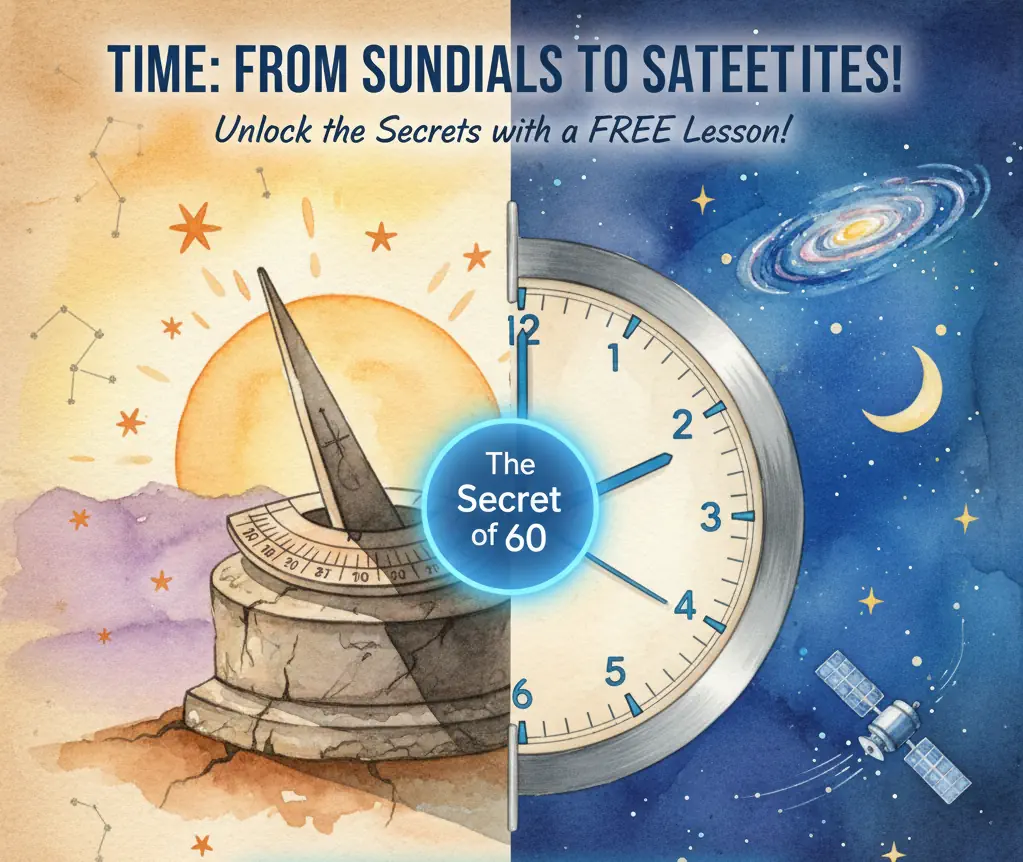
If your child has ever asked why time feels “different” to count than money or blocks, they’ve spotted one of the most ancient systems in human history! Today’s Real World Application lesson from Level D dives into the Sexagesimal System. We’re connecting the 5x table to the clock face and showing how ancient stargazers used keep reading
-
One unique feature of Milestone Maths from Level D is our “Real World Application” lessons. These lessons appear at the end of every milestone and they are a rather eclectic bunch. In some cases we give kids ideas for hands on activities they can do around the home that show the maths they’ve just learned keep reading
-
We’re super excited about the upcoming launch of level D so we’re giving away a copy of the Full Year Bundle to one lucky reader! There are three ways to enter and each one counts as a new entry so you may enter three times! The winner will be announced on launch day and will keep reading

-
In our last article we looked at how to use Sumstix and number bonds to teach your child to add and subtract single digit numbers . These tools work brilliantly for totals up to ten, and those facts are non-negotiable to make sense of higher level maths, like fractions and algebra. But what happens when keep reading

-
Some things in mathematics are simple not negotiable. These are foundational skills on which the whole of the maths superstructure is built. But the good news is, that these skills are actually few in number and there are many and varied ways to learn them so you are free to choose the one/s that suits keep reading
-
There’s nothing better than games to help kids learn and remember their number facts. Here’s a simple game that appears in Milestone Maths level B4. Print out an addition grid (below). Get together with a friend and two different coloured markers or pencils. The object of the game is to get four answers written in keep reading
-
A multiplication table is a great tool to use when you’re just learning your times tables. It’s even better when you make your own because you’ll learn a lot in the process! Download and print the template below. Decorate it how you wish and fill in the correct values as you learn each table (or keep reading