Tag: Homeschool maths australia
-
If you’ve ever homeschooled a tween or teen, chances are you’ve heard the question: “Where am I ever going to use this?” From time to time I see something on the socials that makes me sigh. There’ll be a parent asking a question along the lines of, “my boy doesn’t like bookwork and is interested keep reading
-
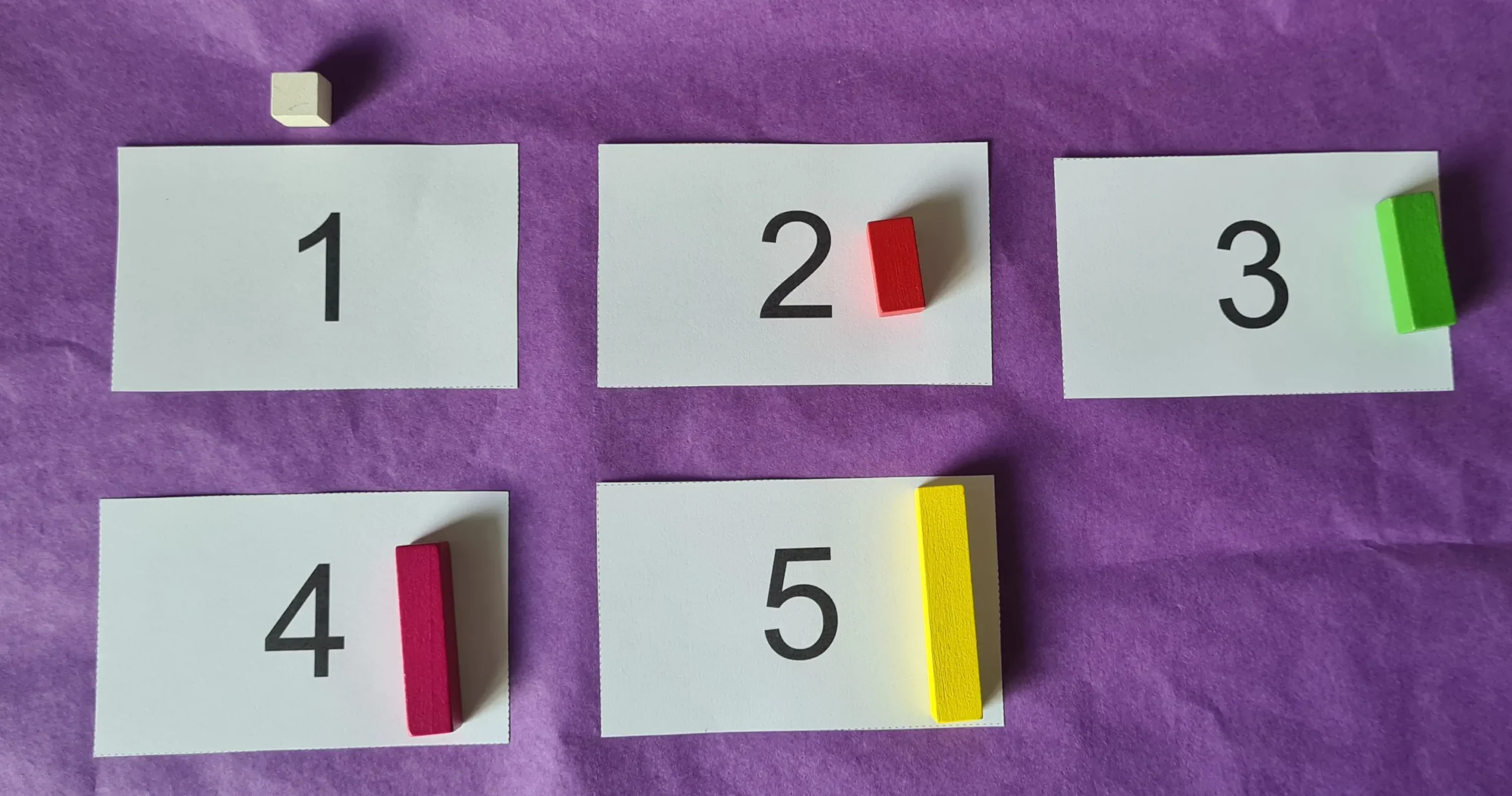
Counting to Five The aim of this milestone is for your child to learn: Not all counting is counting! Some kids are natural born memorisers and they can rattle off a sequence of numbers without blinking. But this does not always mean that they actually understand what a number IS. Most kids at this age keep reading
-
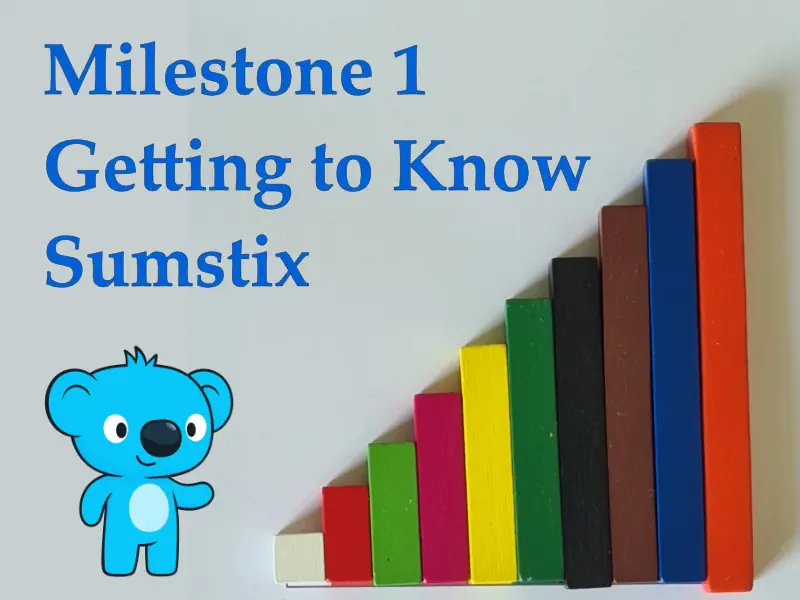
Milestone 1 Before you get started with Milestone Maths, the only purchase you must make is to get a set of physical Sumstix. Yes, you could technically make a paper or cardboard set but they would be very fiddly for little fingers. Making them bigger is not the answer because the lengths are actually quite keep reading
-
One of the most common questions I heard from parents at a recent homeschool expo that I attended was, “Do you have anything for prep?” It was obvious that Australia needed a Foundation Year homeschool maths curriculum. Unfortunately, I didn’t have one. Yet. I pointed each parent to the articles I have on early years keep reading
-
Something that I see a LOT in my tutoring business is kids who have decided that they’re dumb. It’s really tragic and breaks my heart every time. Often, the kid is actually fine and has no real learning problem. They just learn some things at a different pace to their classmates. But, truth be told: keep reading
-
I’ve been seeing a lot about AI in homeschool groups on the socials lately. Many times it’s suggesting AI as a tool for planning or preparing reports for registration. If you’re careful about it, AI can definitely shave a few hours out of those tasks. But the thing that virtually terrifies me is when I keep reading
-
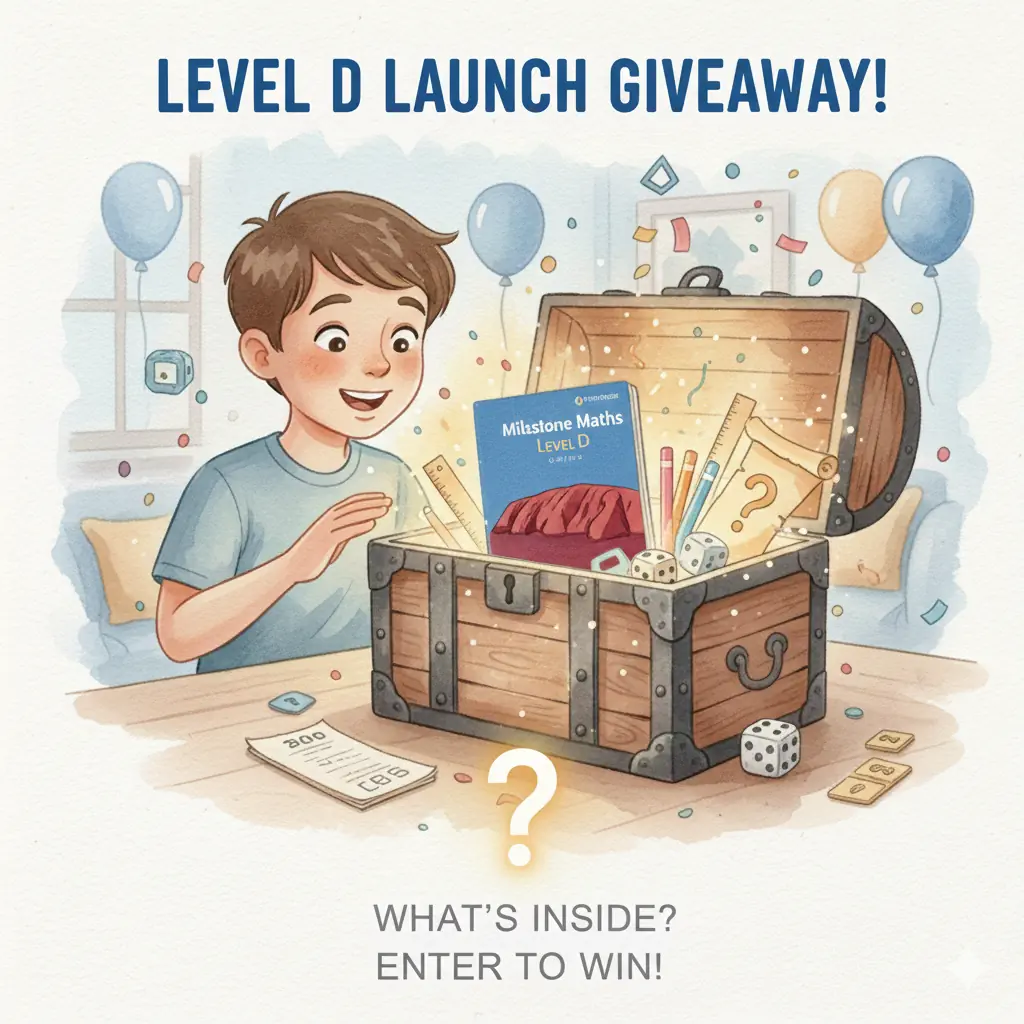
We’re super excited about the upcoming launch of level D so we’re giving away a copy of the Full Year Bundle to one lucky reader! There are three ways to enter and each one counts as a new entry so you may enter three times! The winner will be announced on launch day and will keep reading
-
In our last article we looked at how to use Sumstix and number bonds to teach your child to add and subtract single digit numbers . These tools work brilliantly for totals up to ten, and those facts are non-negotiable to make sense of higher level maths, like fractions and algebra. But what happens when keep reading
-
What do controversial AI chatbots, the manual for your latest “big kid toy” and your child’s maths homework all have in common? The answer is the humble algorithm. The word is becoming fairly commonplace today but most people have a very sketchy idea of what it actually means. In fact, if you’re over thirty, I’m keep reading